
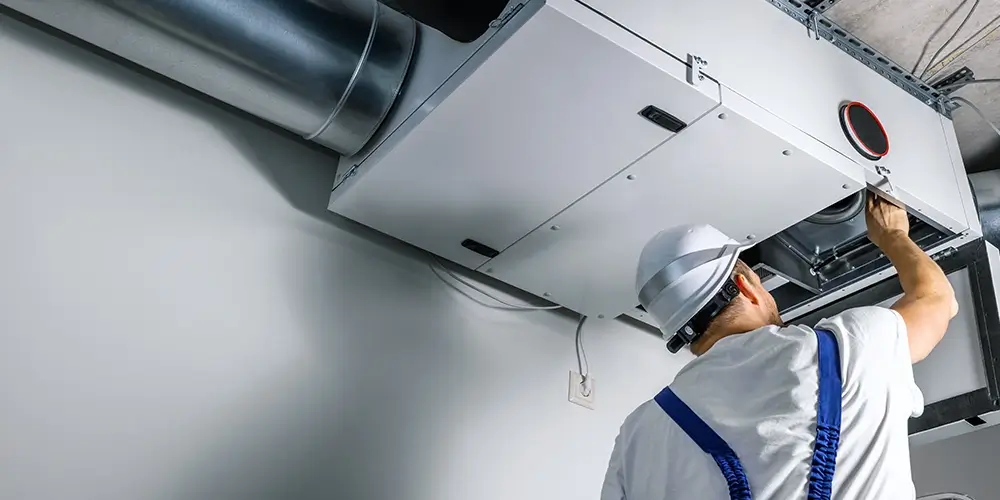
Heating, ventilation, and air conditioning (HVAC) systems are essential for maintaining comfort in homes and commercial spaces. Whether it’s the sweltering heat of summer or the freezing temperatures of winter, a properly installed HVAC system ensures consistent indoor climate control. However, the process of HVAC installation requires careful planning, precise execution, and knowledge of various system components. This guide explores the essentials of HVAC installation, its benefits, and best practices to help homeowners and businesses make informed decisions.
Understanding HVAC Systems
An HVAC system is a complex network of components that work together to regulate temperature, humidity, and air quality. The primary components include the furnace or heat pump, air conditioner, ductwork, thermostat, and ventilation system. Each component plays a critical role in maintaining comfort:
-
Furnace or Heat Pump: Provides heating during cold months.
-
Air Conditioner: Delivers cooling in hot weather.
-
Ductwork: Distributes conditioned air throughout the building.
-
Thermostat: Controls temperature settings and system operation.
-
Ventilation System: Ensures fresh air circulation and removes indoor pollutants.
Proper HVAC installation ensures these components work efficiently, reducing energy consumption and extending the lifespan of the system.
Planning for HVAC Installation
Before starting an HVAC installation, it’s crucial to evaluate your specific heating and cooling needs. Factors to consider include the size of the building, climate conditions, and energy efficiency goals. A professional HVAC contractor can perform a load calculation to determine the appropriate system capacity. Choosing the right system size is critical; an undersized unit will struggle to maintain comfort, while an oversized unit may cycle frequently, wasting energy and increasing wear and tear.
Additionally, planning includes deciding the location of key components, such as the furnace, air conditioner, and ductwork layout. Proper placement not only ensures efficient airflow but also makes future maintenance easier.
Steps in HVAC Installation
-
Removing the Old System: If replacing an existing HVAC system, the first step is to safely remove old equipment, including ducts, wiring, and refrigerant lines. Proper disposal of old components is important for environmental compliance.
-
Installing Ductwork: If new ductwork is required, this involves measuring, cutting, and sealing ducts to distribute air efficiently. Duct insulation is crucial to minimize energy loss.
-
Placing the Furnace and Air Conditioner: The furnace is usually installed indoors, in a basement or utility room, while the air conditioner sits outside. Correct placement is necessary for optimal airflow and easy access for maintenance.
-
Connecting Refrigerant Lines and Electrical Wiring: HVAC systems require electrical connections for operation and refrigerant lines for cooling. Professional installation ensures proper handling of refrigerants and compliance with safety codes.
-
Installing the Thermostat: Modern thermostats, including smart models, allow precise temperature control and energy-saving programming.
-
Testing and Calibration: After installation, the system is tested to verify proper operation. This includes checking airflow, temperature balance, and refrigerant levels.
Benefits of Professional HVAC Installation
While DIY ac maintenance may seem appealing to save costs, hiring a licensed professional provides several advantages:
-
Efficiency: Proper installation ensures the system operates at peak efficiency, lowering energy bills.
-
Safety: Professionals handle electrical components, refrigerants, and gas lines safely.
-
Longevity: Correct installation reduces wear and extends the life of the system.
-
Warranty Protection: Many HVAC manufacturers require professional installation to validate warranties.
Maintenance After Installation
After completing HVAC installation, routine maintenance is vital to keep the system running smoothly. Regular tasks include changing air filters, inspecting ducts for leaks, and scheduling annual professional check-ups. Proper maintenance improves indoor air quality, reduces unexpected breakdowns, and maintains energy efficiency.
Choosing the Right HVAC Contractor
Selecting the right contractor is a critical part of successful HVAC installation. Look for licensed and insured professionals with positive reviews and experience with your type of system. A reputable contractor will provide a detailed estimate, explain installation options, and offer post-installation support.
Conclusion
HVAC installation is more than just placing equipment in a home or business; it requires careful planning, precise execution, and professional expertise. A well-installed system not only ensures comfort but also improves energy efficiency, enhances indoor air quality, and prolongs the life of the equipment. By understanding the steps involved, benefits, and the importance of professional service, property owners can make informed decisions and enjoy a reliable HVAC system for years to come.