
 Ethan Riley
The demand for halal food has grown significantly across the United States, especially in urban regions with diverse populations. Muslims and non-Muslims alike are increasingly seeking halal meat due to its ethical sourcing, cleanliness standards, and emphasis on humane treatment of animals. In areas such as New Jersey and Pennsylvania, cities like Trenton and Philadelphia have become important hubs for halal meat distribution. The connection between these two cities has strengthened the regional halal food supply chain and improved access for consumers looking for trustworthy halal products.
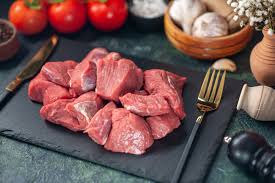
Understanding What Makes Meat Halal
Halal meat is prepared according to Islamic dietary laws, which specify how animals must be raised, slaughtered, and processed. The animal must be healthy at the time of slaughter, and the process must involve a swift, humane cut while invoking the name of God. Blood must be completely drained from the veins, as consumption of blood is prohibited in Islam. These strict guidelines ensure not only religious compliance but also high standards of hygiene and quality, trenton halal meat philadelphia which is why halal meat appeals to a broader audience beyond the Muslim community.
Trenton’s Role in Halal Meat Distribution
Trenton, New Jersey, has quietly become a key location for halal meat suppliers. Its strategic location allows easy transportation to nearby cities, including New York and Philadelphia. Many small and medium-sized halal meat businesses operate in Trenton, supplying butcher shops, grocery stores, and restaurants. The city’s diverse population and lower operational costs compared to larger metropolitan areas make it an ideal base for halal meat processing and wholesale distribution.
Philadelphia’s Expanding Halal Food Scene
Philadelphia is home to a rapidly growing halal food market, driven by its multicultural neighborhoods and thriving restaurant industry. From halal butcher shops to food trucks and fine dining establishments, the city offers a wide range of halal options. Many businesses in Philadelphia rely on suppliers from nearby regions to meet daily demand. This is where the connection between Trenton and Philadelphia becomes especially important, forming a reliable supply route for fresh and certified halal meat.
The Importance of Trenton Halal Meat Philadelphia Connection
The relationship represented by ** trenton halal meat philadelphia ** highlights a regional network that benefits both suppliers and consumers. Halal meat sourced from Trenton can reach Philadelphia quickly, ensuring freshness and reducing transportation costs. This connection allows Philadelphia businesses to maintain consistent quality while meeting religious requirements. At the same time, Trenton-based suppliers gain access to a larger market, helping them grow and sustain their operations.
Quality, Certification, and Consumer Trust
One of the most critical factors in the halal meat industry is trust. Consumers want assurance that the meat they purchase is genuinely halal and handled properly from farm to table. Many halal meat providers in Trenton work closely with recognized halal certification organizations. These certifications help Philadelphia retailers and restaurants confidently serve their customers. Transparency in sourcing and processing builds long-term relationships between suppliers and buyers across city lines.
Economic and Cultural Impact on Local Communities
The trenton halal meat philadelphia meat trade between Trenton and Philadelphia contributes positively to local economies. It creates jobs in farming, processing, transportation, and retail. Additionally, it supports immigrant-owned small businesses, which play a vital role in neighborhood development. Beyond economics, halal meat businesses also strengthen cultural connections by preserving food traditions and providing familiar products to diverse communities.
Challenges Facing the Halal Meat Industry
Despite its growth, the halal meat industry faces challenges such as rising operational costs, supply chain disruptions, and the need for consistent certification standards. Businesses must also educate consumers about what halal truly means to prevent misinformation. Maintaining affordability while upholding strict halal practices can be difficult, especially for small suppliers. However, strong regional partnerships help overcome these obstacles.
The Future of Halal Meat in the Region
Looking ahead, the demand for halal meat is expected to continue rising. As more people prioritize ethical and transparent food sourcing, halal meat will likely gain even broader appeal. The ** trenton halal meat philadelphia ** supply connection is well-positioned to support this growth. Advances in logistics, certification technology, and consumer awareness will further strengthen the halal meat market in both cities.
Conclusion
The connection between Trenton and Philadelphia plays a crucial role in meeting the growing demand for halal meat in the region. With Trenton serving as a reliable supply base and Philadelphia offering a vibrant consumer market, this partnership benefits businesses, communities, and consumers alike. The continued success of the ** trenton halal meat philadelphia ** network depends on quality, trust, and collaboration, ensuring that halal meat remains accessible, ethical, and high-quality for years to come.
